

-
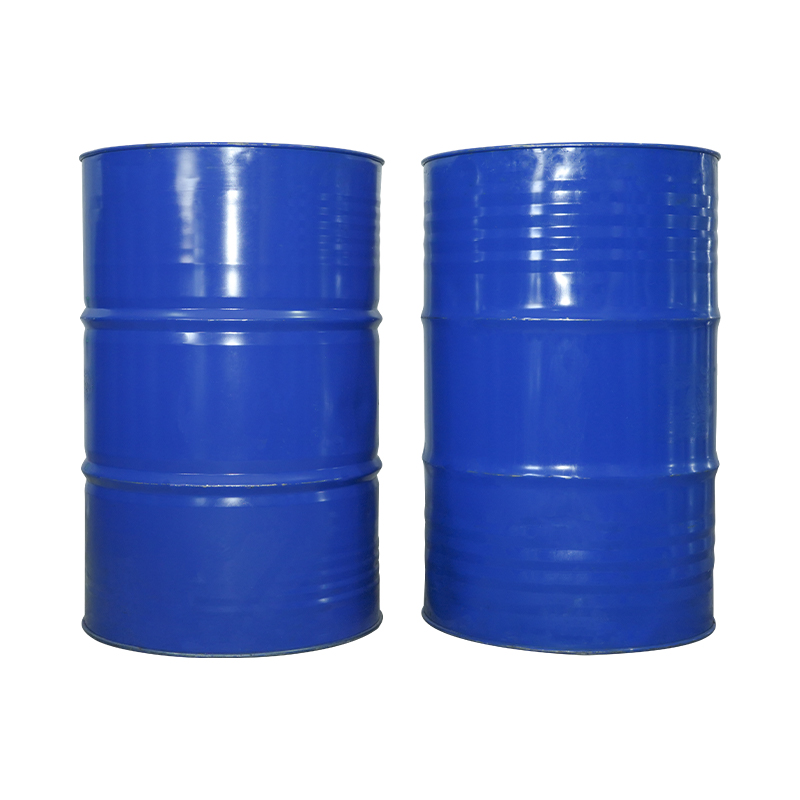 อัลคิดเรซินสำหรับการเคลือบอุตสาหกรรม
อัลคิดเรซินเป็นเรซินพื้นฐานที่ใช้กันทั่วไปโดยมีประสิทธิภาพด้านต้นทุ...
-
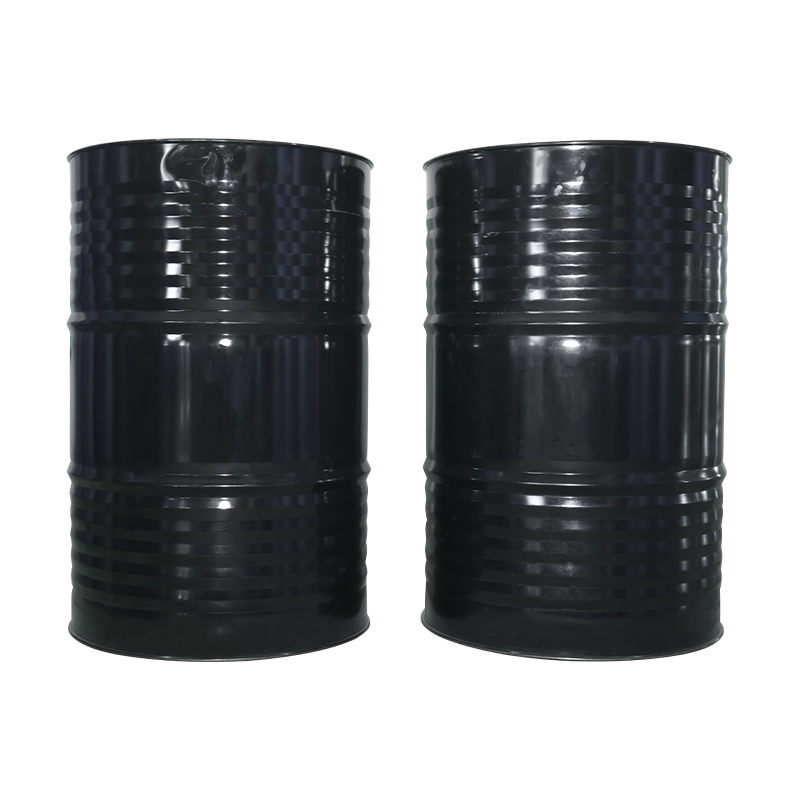 อัลคิดเรซินแบบแห้งเอง
อัลคิดเรซินแบบแห้งตัวเองก็เป็นหนึ่งในอัลคิดเรซินเช่นกัน ผลิตภัณฑ์ซี...
-
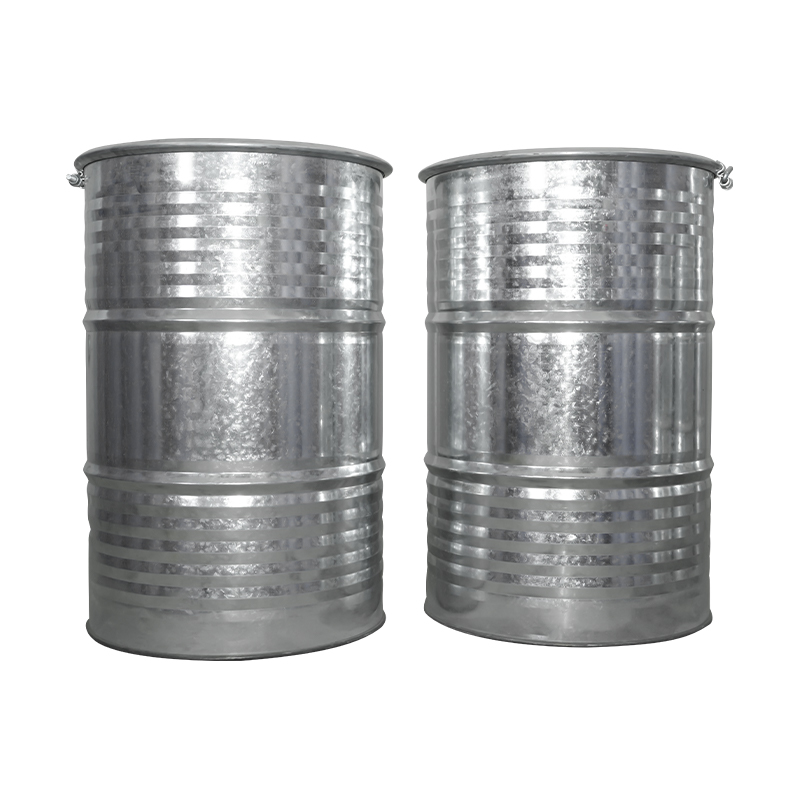 เทอร์โมเซตติงอะคริลิกเรซินที่ใช้ตัวทำละลาย
เป็นหนึ่งในเรซินอะคริลิก มันถูกให้ความร้อนและบ่มด้วยอะมิโนเรซินเพื่...
-
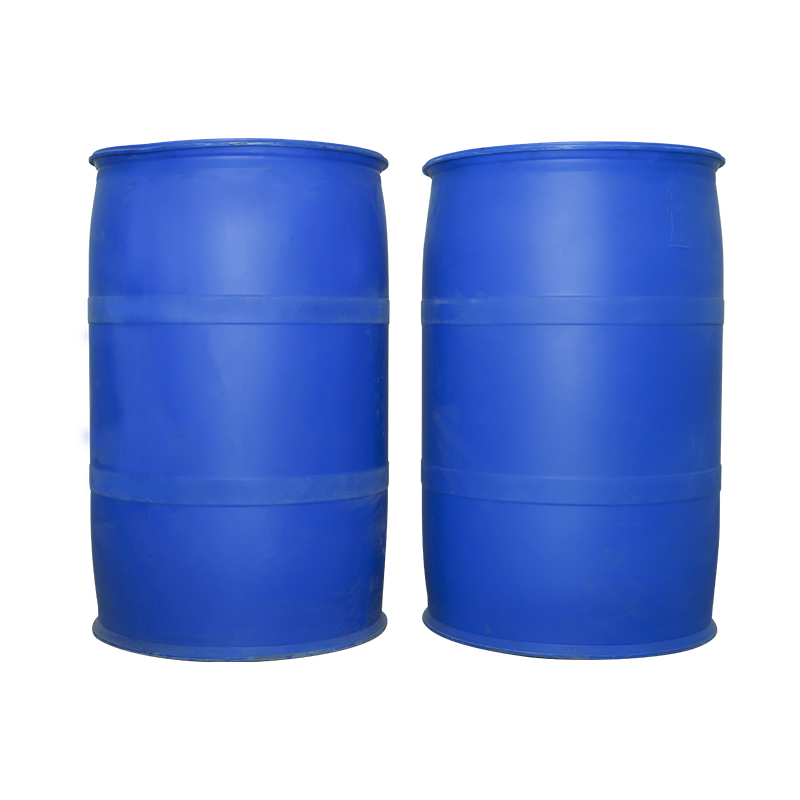 เทอร์โมพลาสติกอะคริลิกเรซินที่ใช้ตัวทำละลาย
เป็นหนึ่งในเรซินอะคริลิก คุณสมบัติหลักคือการแห้งตัวเองด้วยองค์ประกอ...
-
 เรซินอะคริลิกเทอร์โมเซตติงที่ละลายน้ำได้
สถานะที่ละลายน้ำได้ของอะคริลิกเรซินเทอร์โมเซตติงถูกรวมเข้ากับอะมิโน...
-
 [email protected]
-
 เลขที่ 70 สวนอุตสาหกรรม Linkage U Valley ถนน Nanyue เมืองอี้ซิง มณฑลเจียงซู ประเทศจีน

 ภาษา
ภาษา
เรซินซิลิโคนดัดแปลงโพลีเอสเตอร์เพิ่มความเงางามและรูปลักษณ์ในการเคลือบได้อย่างไร
In modern coating technology, surface aesthetics are not merely about visual appeal—they are a reflection of performance, durability, and product quality. Whether applied on industrial machinery, automotive parts, or architectural structures, a coating’s gloss and surface smoothness directly influence how the material is perceived and how it performs over time. Among the diverse range of resin systems developed to meet these evolving standards, Polyester Modified Silicone Resin has emerged as a high-performance binder known for its remarkable ability to elevate gloss, improve surface uniformity, and extend coating longevity.
1. Understanding Polyester Modified Silicone Resin
Polyester Modified Silicone Resin is a hybrid polymer system that integrates the flexibility and film-forming properties of polyester with the outstanding thermal stability and weather resistance of silicone. In this structure, silicone segments provide the backbone responsible for durability and high-temperature resistance, while polyester chains contribute to smoothness, adhesion, and aesthetic refinement.
This unique combination results in a resin that not only performs well under harsh environmental conditions but also produces coatings with high gloss, exceptional color retention, and a visually refined finish. The balance between the organic (polyester) and inorganic (silicone) components is key to achieving the desired optical and surface characteristics.
2. The Science Behind Gloss and Visual Appearance
Gloss in coatings is defined by the amount of light reflected from a surface at a specific angle. High-gloss finishes reflect light uniformly, giving a smooth, mirror-like appearance, while matte finishes scatter light due to surface irregularities. The level of gloss depends on various factors such as:
- Surface smoothness and leveling behavior
- Refractive index of the coating film
- Curing conditions and resin crosslink density
- Pigment dispersion and particle size
- Surface hardness and microstructure
Polyester Modified Silicone Resin influences these parameters in multiple ways—through molecular arrangement, film formation behavior, and surface energy dynamics.
3. Mechanisms That Enhance Gloss and Appearance
a. Improved Surface Flow and Leveling
One of the main ways Polyester Modified Silicone Resin enhances gloss is by promoting excellent flow and leveling during the film formation process. The polyester component reduces surface tension, allowing the wet film to self-level more effectively before curing. This minimizes micro-defects such as orange peel, pinholes, or surface waves that typically scatter light and reduce gloss.
b. High Crosslink Density for Smooth Surfaces
The silicone segments within the resin undergo a crosslinking reaction during curing, forming a three-dimensional network that tightens the film structure. This results in a denser, more uniform surface at the microscopic level. The higher the crosslink density, the smoother the final surface, which directly translates to increased reflectivity and visual depth.
c. Enhanced Refractive Index Control
Gloss is partially determined by how light interacts with the coating’s surface. Polyester Modified Silicone Resin can be engineered to optimize the refractive index balance between resin, pigments, and additives. The result is a more coherent reflection of light, amplifying the gloss and clarity of the coating.
d. Resistance to Surface Degradation
Over time, UV exposure, moisture, and heat can dull the surface of coatings. The silicone fraction in Polyester Modified Silicone Resin provides exceptional resistance to photodegradation and oxidation. By preserving the coating’s integrity, it helps maintain gloss and color stability for a longer period, even in outdoor environments.
e. Low Surface Energy and Dirt Resistance
Silicone resins are known for their low surface energy, which reduces dirt pickup and surface contamination. A cleaner surface reflects light more consistently, maintaining an attractive gloss even after prolonged use. This self-cleaning or “easy-clean” effect is particularly beneficial for exterior coatings and industrial equipment.
4. Balancing Aesthetics with Functional Performance
While appearance enhancement is a key benefit, Polyester Modified Silicone Resin contributes to more than just visual appeal. Its hybrid nature ensures that coatings also deliver excellent mechanical and environmental properties, such as:
- Superior heat resistance: The silicone backbone withstands temperatures exceeding 200°C, preventing discoloration or surface dulling.
- Weather and UV stability: The resin resists fading and chalking, maintaining gloss under prolonged sunlight exposure.
- Chemical resistance: Its crosslinked network offers protection against solvents, acids, and alkalis.
- Mechanical durability: The polyester modification provides flexibility and adhesion, minimizing cracking or delamination.
This combination makes it a versatile resin system for industries that demand both appearance and resilience—such as automotive coatings, architectural finishes, and industrial protective coatings.
5. Formulation Aspects: How It Works in Practice
Formulators often tailor the ratio of polyester to silicone to achieve the desired gloss level and surface profile. A higher polyester content tends to improve flow and surface leveling, while increased silicone concentration enhances durability and heat resistance.
Key formulation considerations include:
- Pigment compatibility: Uniform pigment dispersion is vital for color consistency and gloss. Polyester segments improve wetting and distribution.
- Curing conditions: Optimum gloss requires controlled curing temperature and time to ensure proper crosslinking without surface imperfections.
- Additive synergy: Flow agents and defoamers are sometimes added, but Polyester Modified Silicone Resin already minimizes the need for excessive additives due to its inherent surface-tension balance.
- Substrate preparation: Smooth, clean substrates amplify the resin’s leveling performance, ensuring a flawless finish.
Proper formulation and curing yield coatings that exhibit mirror-like reflection, excellent color depth, and long-term gloss retention.
6. Application Areas That Benefit from High Gloss
The aesthetic and performance attributes of Polyester Modified Silicone Resin have made it an integral component in various coating systems, including:
- Automotive coatings: For glossy finishes on parts exposed to heat, oil, and sunlight.
- Architectural paints: On building exteriors requiring weatherproof, high-luster coatings.
- Industrial machinery: For both protection and aesthetic enhancement of equipment surfaces.
- Household appliances: To provide a durable, smooth finish on ovens, heaters, and metal panels.
- High-temperature enamels: For chimneys, engines, or stoves where color and gloss must endure heat cycles.
In each of these sectors, maintaining gloss over time not only enhances visual quality but also reflects brand reliability and manufacturing precision.
7. Longevity of Gloss and Color Retention
A key advantage of using Polyester Modified Silicone Resin is the long-term preservation of gloss and color vibrancy. Unlike conventional organic resins that degrade and lose their reflective quality, silicone-modified systems resist oxidation and microcracking. The result is a coating that retains its luster for years, even under exposure to UV radiation, temperature variations, and humidity.
This longevity contributes to reduced maintenance costs and extended service life of coated assets—a crucial benefit for industries operating in demanding outdoor or high-temperature conditions.
8. Environmental and Technological Advancements
In recent years, advances in polymer chemistry have enabled the development of low-VOC and solvent-reduced versions of Polyester Modified Silicone Resin . These formulations meet environmental regulations while maintaining superior gloss performance. Additionally, researchers have introduced waterborne and powder coating-compatible variants, offering sustainable alternatives without compromising on visual appeal or durability.
Technological progress has also allowed for finer control over molecular weight distribution and crosslinking behavior, enabling coatings with customizable gloss—from satin to ultra-high-gloss finishes—depending on design requirements.
9. Comparing Polyester Modified Silicone Resin with Other Systems
When compared to traditional resins such as acrylic , alkyd , or epoxy , Polyester Modified Silicone Resin stands out for its ability to combine both functional and aesthetic excellence.
| Resin Type | Heat Resistance | Gloss Retention | UV Stability | Flexibility | Application Field |
| Acrylic | Moderate | Good | Good | High | Decorative paints |
| Alkyd | Low | Moderate | Poor | Good | General coatings |
| Epoxy | High | Moderate | Fair | Limited | Industrial, marine |
| Polyester Modified Silicone Resin | Excellent | Outstanding | Superior | Good | Automotive, industrial, architectural |
This comparison highlights why polyester-silicone hybrids have become the material of choice for manufacturers seeking a high-performance, visually refined coating system.
10. Conclusion: The Subtle Power of Surface Brilliance
The gloss and aesthetic character of a coating are often the first aspects noticed—but behind that smooth, reflective surface lies complex chemistry. Polyester Modified Silicone Resin exemplifies how material innovation can transform both the function and appearance of coatings. Through improved surface leveling, enhanced crosslink density, and lasting protection against degradation, it provides coatings that not only shine today but continue to do so for years to come.
For formulators and end users alike, adopting Polyester Modified Silicone Resin represents a balance of art and science—where chemistry meets craftsmanship to create coatings that look as impressive as they perform.
พ.ศV:อุณหภูมิส่งผลต่อประสิทธิภาพของเทอร์โมพลาสติกอะคริลิกเรซินที่ใช้ตัวทำละลายอย่างไรถัดไป:ไฮดรอกซีอะคริลิกเรซินที่ใช้ตัวทำละลายส่งผลต่อการยึดเกาะของสีทับหน้าอย่างไร
สนใจร่วมมือหรือมีข้อสงสัย?


As ผู้ผลิตเรซินเคลือบ, ผู้จัดจำหน่ายเรซินสีในประเทศจีน, Haisong ยึดมั่นในแนวคิด "นวัตกรรมอย่างต่อเนื่อง, บริการระดับมืออาชีพ", ฉันหวังว่าจะได้ร่วมงานกับคุณ เพื่อการพัฒนาร่วมกัน!
สินค้า
ติดต่อเรา
-
 +86-0510-87937687
-
 +86-0510-87072901
-
 [email protected]
-
 เลขที่ 70 สวนอุตสาหกรรม Linkage U Valley ถนน Nanyue เมืองอี้ซิง มณฑลเจียงซู ประเทศจีน
©Jiangsu Haisong ใหม่วัสดุเทคโนโลยี Co.,Ltd.All rights reserved.

