

-
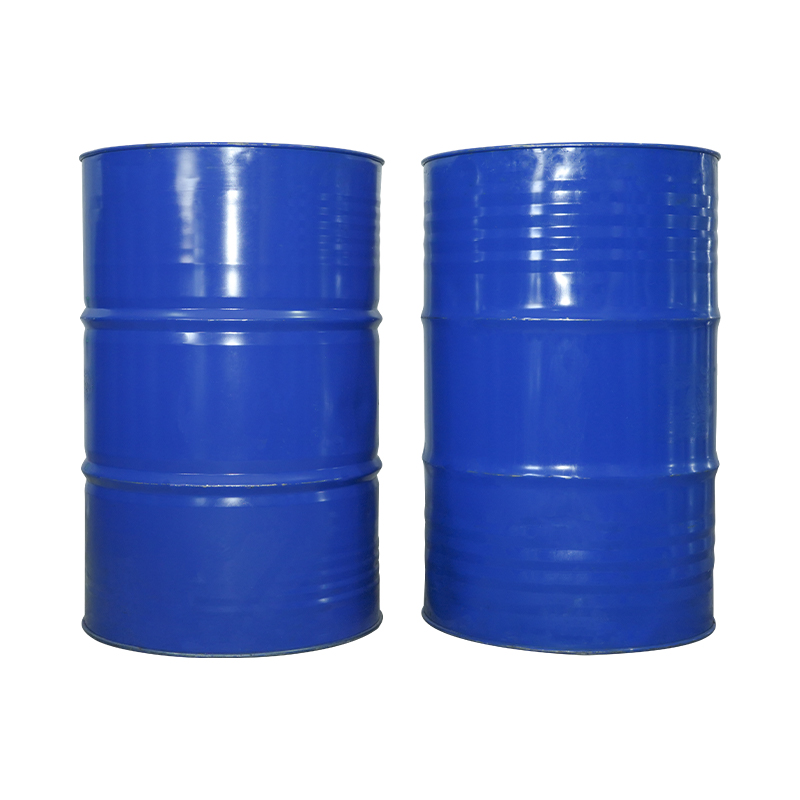 อัลคิดเรซินสำหรับการเคลือบอุตสาหกรรม
อัลคิดเรซินเป็นเรซินพื้นฐานที่ใช้กันทั่วไปโดยมีประสิทธิภาพด้านต้นทุ...
-
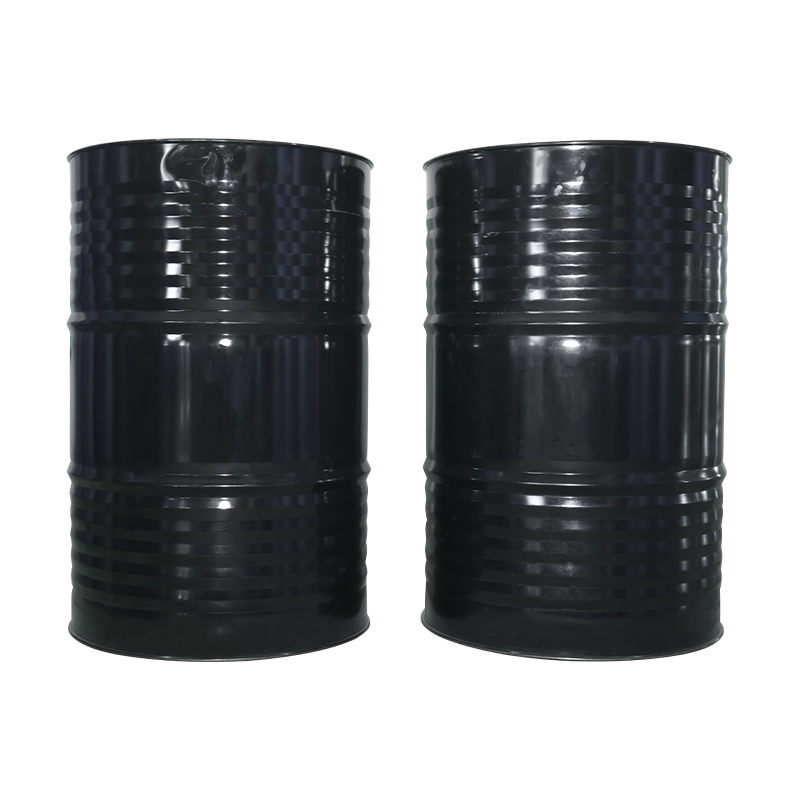 อัลคิดเรซินแบบแห้งเอง
อัลคิดเรซินแบบแห้งตัวเองก็เป็นหนึ่งในอัลคิดเรซินเช่นกัน ผลิตภัณฑ์ซี...
-
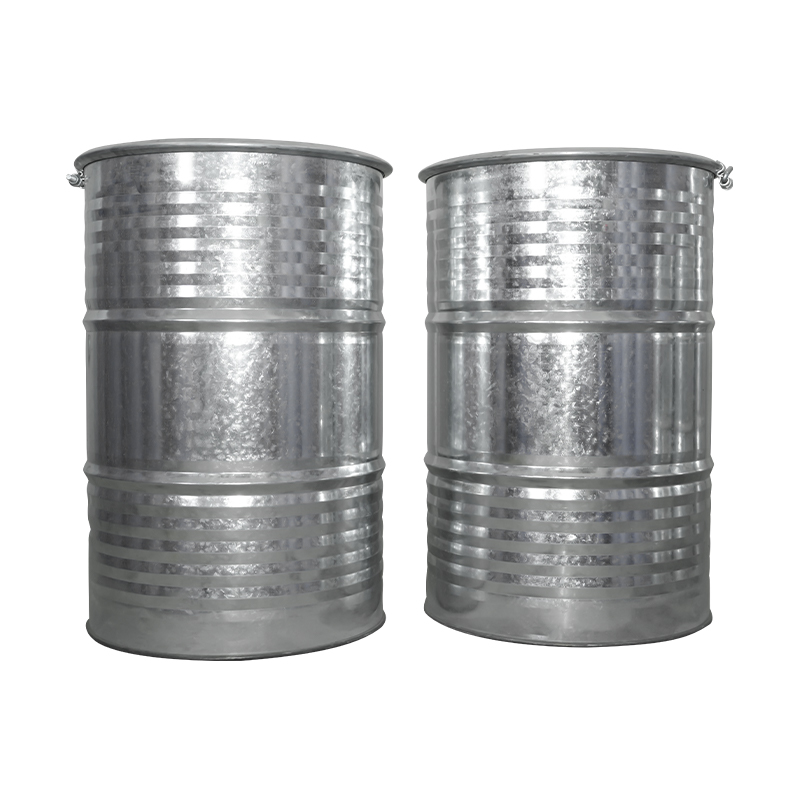 เทอร์โมเซตติงอะคริลิกเรซินที่ใช้ตัวทำละลาย
เป็นหนึ่งในเรซินอะคริลิก มันถูกให้ความร้อนและบ่มด้วยอะมิโนเรซินเพื่...
-
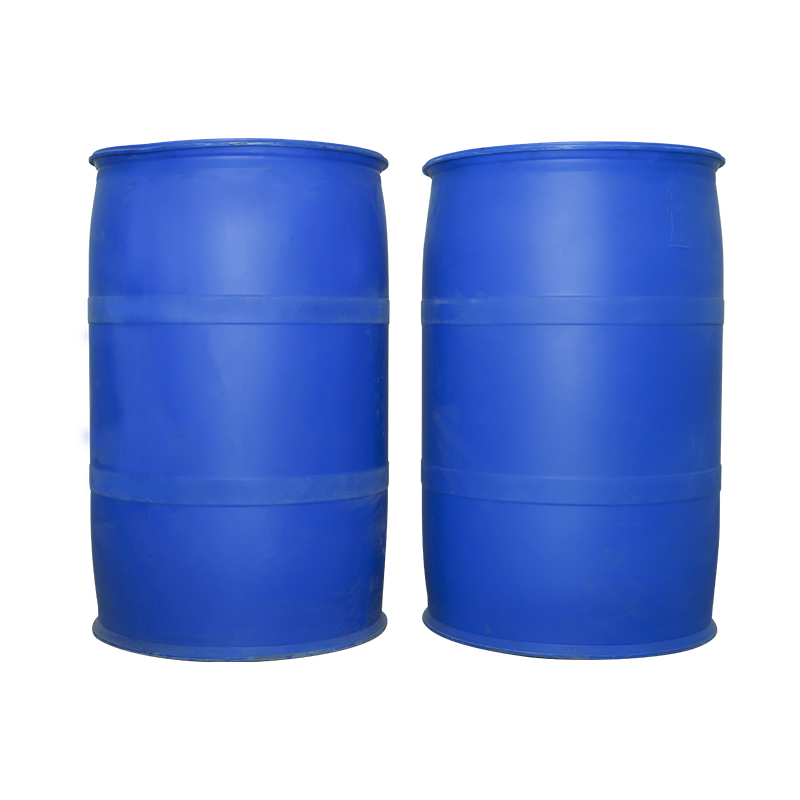 เทอร์โมพลาสติกอะคริลิกเรซินที่ใช้ตัวทำละลาย
เป็นหนึ่งในเรซินอะคริลิก คุณสมบัติหลักคือการแห้งตัวเองด้วยองค์ประกอ...
-
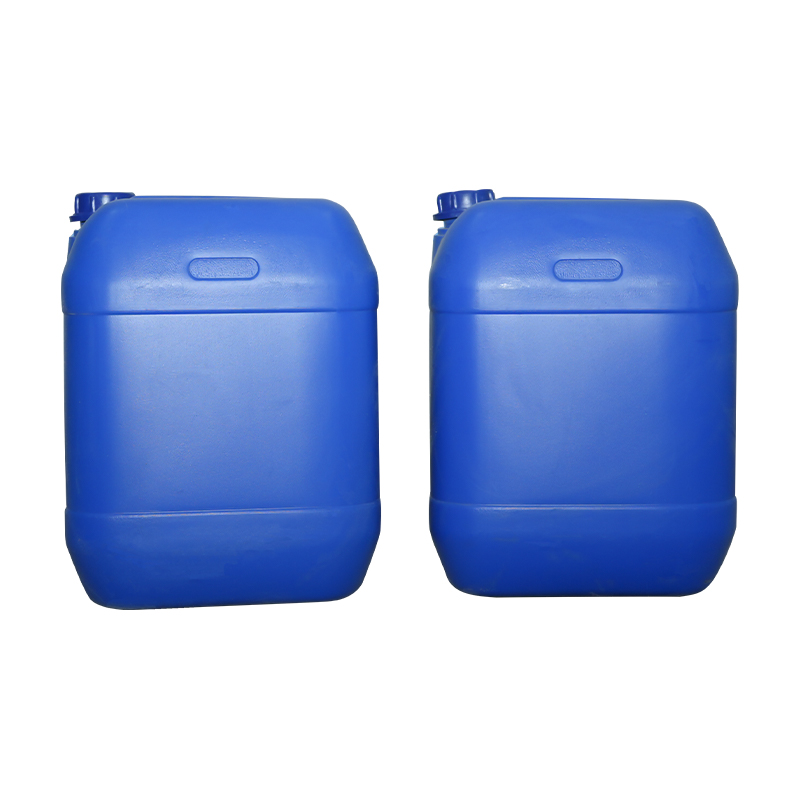 เรซินอะคริลิกเทอร์โมเซตติงที่ละลายน้ำได้
สถานะที่ละลายน้ำได้ของอะคริลิกเรซินเทอร์โมเซตติงถูกรวมเข้ากับอะมิโน...
-
 [email protected]
-
 เลขที่ 70 สวนอุตสาหกรรม Linkage U Valley ถนน Nanyue เมืองอี้ซิง มณฑลเจียงซู ประเทศจีน

 ภาษา
ภาษา
สามารถใช้สารละลายขี้ผึ้งป้องกันการตกตะกอนในกาวหรือสารเคลือบหลุมร่องฟันได้หรือไม่
When formulating high-performance adhesives and sealants, chemists are constantly battling a fundamental force of nature: gravity. Over time, heavy fillers, pigments, and other solid components can separate from the liquid medium, settling into a hard, often irretrievable cake at the bottom of the container. This phenomenon, known as settling, can ruin a product before it’s even used. To combat this, formulators turn to a class of additives known as anti-settling agents. Among these, anti-settling wax slurries present a particularly interesting option.
The short answer is yes, anti-settling wax slurries can be effectively used in many adhesive and sealant formulations. However, their successful incorporation is not a one-size-fits-all solution. It requires a clear understanding of what they are, how they work, their distinct advantages, and their potential limitations within a complex chemical system.
What is an Anti-Settling Wax Slurry ?
At its core, an anti-settling wax slurry is a pre-dispersed mixture of microscopic wax particles suspended in a carrier liquid, typically a mineral spirit or other non-polar solvent. The primary waxes used are often organically modified montmorillonite clays (rheological additives) or synthetic waxes like polyethylene (PE) or polyamide.
The “slurry” format is a key differentiator. Instead of adding a raw, powdered wax that requires high shear and specific temperature conditions to fully disperse and activate, the slurry offers the wax already in a pre-gelated, activated state. This makes it significantly easier to incorporate into a formulation under standard mixing conditions, reducing production time and energy costs.
The Mechanism: How Wax Slurries Prevent Settling
Wax slurries work by creating a three-dimensional, gel-like network throughout the adhesive or sealant. The microscopic platelet structures of the wax particles associate with each other, forming a weak but pervasive matrix that traps solid particles (like calcium carbonate, talc, or titanium dioxide) in place.
Think of it as a microscopic scaffolding system within the liquid. This network dramatically increases the low-shear viscosity (or “body”) of the product. While the material can still be easily stirred, pumped, or applied (activities that impose medium to high shear), under the low-shear condition of simply sitting on a shelf, the network holds firm. This prevents the denser particles from migrating downward, thereby eliminating settling and syneresis (the separation of a liquid layer on top).
Advantages of Using Wax Slurries in Adhesives and Sealants
The decision to use a wax slurry over other anti-settling agents like fumed silica or powdered clays comes down to several practical benefits:
- Ease of Incorporation: This is the most significant advantage. Wax slurries can be added at virtually any stage of the production process, even as a post-additive for adjustment. They do not require high-shear mixing or a specific “heating and cooling” cycle to activate, simplifying manufacturing.
- Sag Resistance: Beyond preventing shelf-life settling, the gel network provides excellent anti-sag properties. This is crucial for sealants applied in vertical joints or adhesives used in overhead applications, ensuring the material stays in place until it cures.
- Suspension of Other Components: They are excellent at suspending not just fillers but also color pigments, ensuring consistent color throughout the product’s life and use.
- Syneresis Control: By locking the liquid phase in place, wax slurries effectively prevent the oozing out of plasticizers or oils, which can lead to surface imperfections and changes in the formulation’s flexibility.
- Gloss Control: In certain applications, wax slurries can be used to impart a specific matte or semi-gloss finish to the cured adhesive or sealant film.
Considerations and Potential Limitations
While powerful, wax slurries are not a universal panacea. A prudent formulator must be aware of their limitations and interactions.
- Compatibility is Paramount: Wax slurries are inherently non-polar due to their organic modification and hydrocarbon carrier. They integrate seamlessly into solvent-based, oil-based, or plastisol systems. However, they are generally incompatible with water-based (latex) systems . Introducing a non-polar slurry into a polar, water-based adhesive will likely cause coagulation, instability, and a grainy texture.
- Effect on Viscosity and Application: The same network that prevents sagging will also increase the viscosity of the uncured material. Over-use can make a product too thick or “buttery,” potentially hindering its spreadability or extrudability from a cartridge. Finding the optimal dosage (typically between 0.5% and 3.0% by weight) is critical.
- Temperature Sensitivity: The wax network is thixotropic, meaning it breaks down under shear and rebuilds when static. However, it is also sensitive to temperature. Excessive heat can permanently damage or melt the wax structure, leading to a permanent loss of anti-sag and anti-settle properties.
- Potential Impact on Clarity and Adhesion: In formulations where optical clarity is essential (e.g., certain laminating adhesives), the dispersed wax particles can cause haze. Furthermore, if not properly balanced, a waxy surface could potentially interfere with the adhesion of some substrates.
Practical Formulation Scenarios
To make this concrete, let’s look at where wax slurries are most effectively applied:
- Solvent-Based Construction Sealants: A polysulfide or polyurethane sealant loaded with calcium carbonate filler is a prime candidate. A wax slurry ensures a uniform, non-sag product with a long shelf life.
- Butyl Rubber Sealant Tapes: These highly filled, non-crosslinking systems benefit tremendously from the anti-settle and anti-sag properties provided by a wax slurry.
- PVC Plastisol Adhesives: Used in the automotive and textile industries, these dispersions of PVC in plasticizer are perfect for wax slurries, which prevent the settling of the PVC resin particles.
- Epoxy and Polyurethane Adhesives (Solvent-based): They help suspend fillers and pigments in two-part systems, ensuring consistent performance from the first squeeze to the last.
Conversely, you would avoid them in:
- Water-Based Acrylic Latex Caulks.
- PVA Wood Glues.
- Clear, Waterborne Adhesives.
Conclusion: A Powerful Tool with a Specific Purpose
The question is not whether anti-settling wax slurries can be used in adhesives and sealants, but when and how they should be used. They are a highly effective and user-friendly solution for preventing settling and sag in a wide range of non-polar, solvent-based systems. Their ease of incorporation and reliable performance make them a valuable asset in the formulator’s toolkit.
However, their success is contingent on a clear understanding of their chemical nature. Their incompatibility with water-based systems is a critical boundary, and their impact on final product rheology and properties must be carefully evaluated through systematic testing. For the right formulation, a wax slurry is not an exaggerated miracle worker, but a practical, reliable ingredient that ensures a consistent, high-quality, and functional product from the factory to the application.
พ.ศV:วิธีทดสอบความสามารถในการกระจายตัวของสารละลายขี้ผึ้งป้องกันการตกตะกอนหลังการเก็บรักษาระยะยาวถัดไป:เรซินโพลีเอสเตอร์อิ่มตัวในงานเฟอร์นิเจอร์และการออกแบบตกแต่งภายใน
สนใจร่วมมือหรือมีข้อสงสัย?


As ผู้ผลิตเรซินเคลือบ, ผู้จัดจำหน่ายเรซินสีในประเทศจีน, Haisong ยึดมั่นในแนวคิด "นวัตกรรมอย่างต่อเนื่อง, บริการระดับมืออาชีพ", ฉันหวังว่าจะได้ร่วมงานกับคุณ เพื่อการพัฒนาร่วมกัน!
สินค้า
ติดต่อเรา
-
 +86-0510-87937687
-
 +86-0510-87072901
-
 [email protected]
-
 เลขที่ 70 สวนอุตสาหกรรม Linkage U Valley ถนน Nanyue เมืองอี้ซิง มณฑลเจียงซู ประเทศจีน
©Jiangsu Haisong ใหม่วัสดุเทคโนโลยี Co.,Ltd.All rights reserved.

